
Freight services for every kind of cargo.
Eight core services, one point of contact. Here's what each one covers, when it makes sense, and what we need from you to quote it.
The most economical way to move volume internationally. We book space with ocean carriers and NVOCC partners, arrange container drayage to and from the port, and coordinate documents so your container isn't held at the terminal.
- Container types
- 20′, 40′, 40′ HC, reefer, flat rack, open top
- Load types
- FCL and LCL consolidation
- Typical lead time
- Book 2–3 weeks before ready date
What's included
- Space booking and container release
- Pickup and drayage to the origin terminal
- Export documentation review
- Bill of lading drafting and checking
- US Importer Security Filing (ISF) coordination for imports
- Arrival notice and terminal follow-up
- Destination drayage and delivery
- Demurrage and detention monitoring
FCL or LCL?
As a rule of thumb, shipments under about 15 cubic meters usually travel more economically as LCL, sharing a container with other cargo. Above roughly 15–18 m³ a dedicated 20′ container often costs the same or less and reduces handling. Our container fit calculator gives you a quick read.
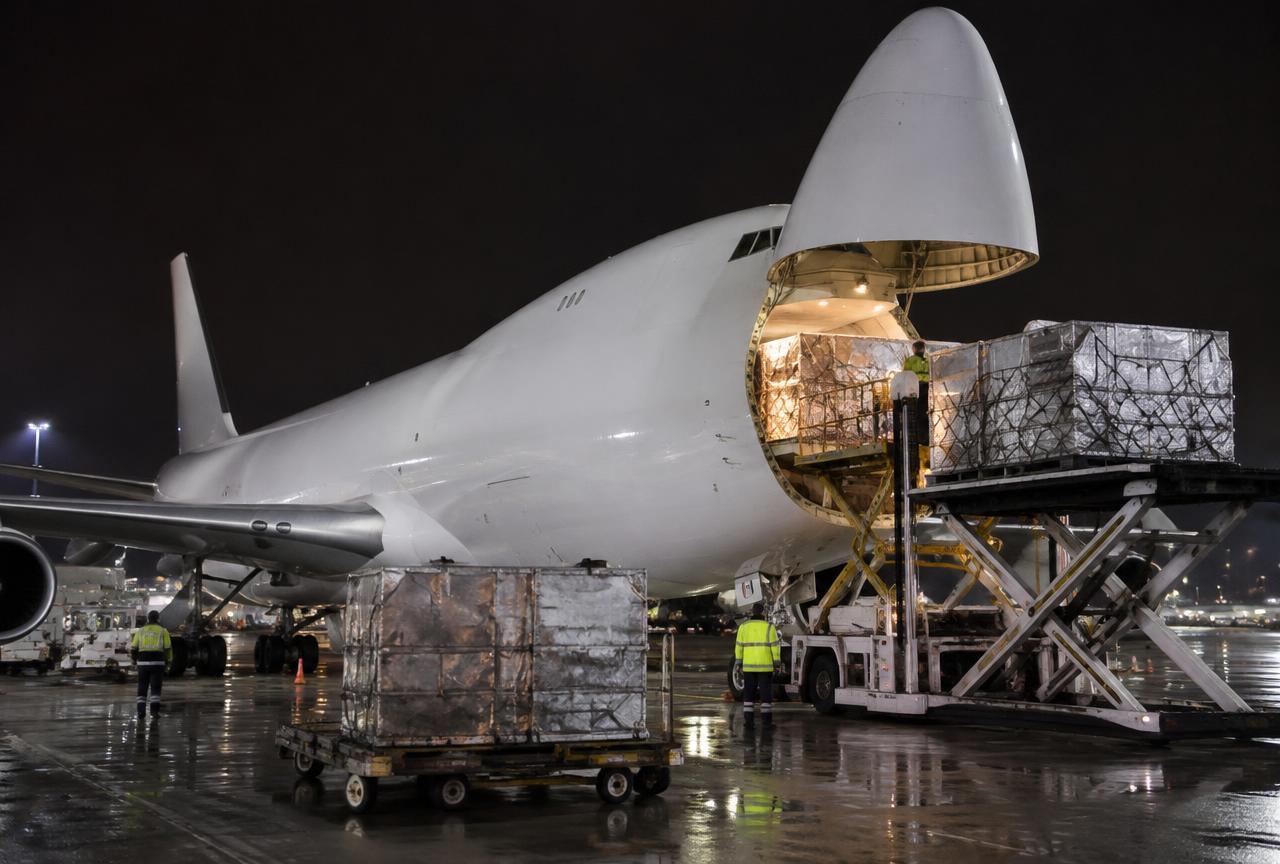
When time matters more than cost. We arrange consolidated, direct and expedited air freight through airline and consolidator partners, with pickup, export screening and delivery at destination.
- Service levels
- Economy consolidation, standard, next-flight-out
- Billing basis
- Greater of actual or volumetric weight
- Typical transit
- 1–5 days airport to airport
What's included
- Pickup from your door
- Known-shipper and security screening coordination
- Air waybill preparation
- Dangerous goods check (declared DG by quote only)
- Flight booking and tracking
- Destination handling and delivery
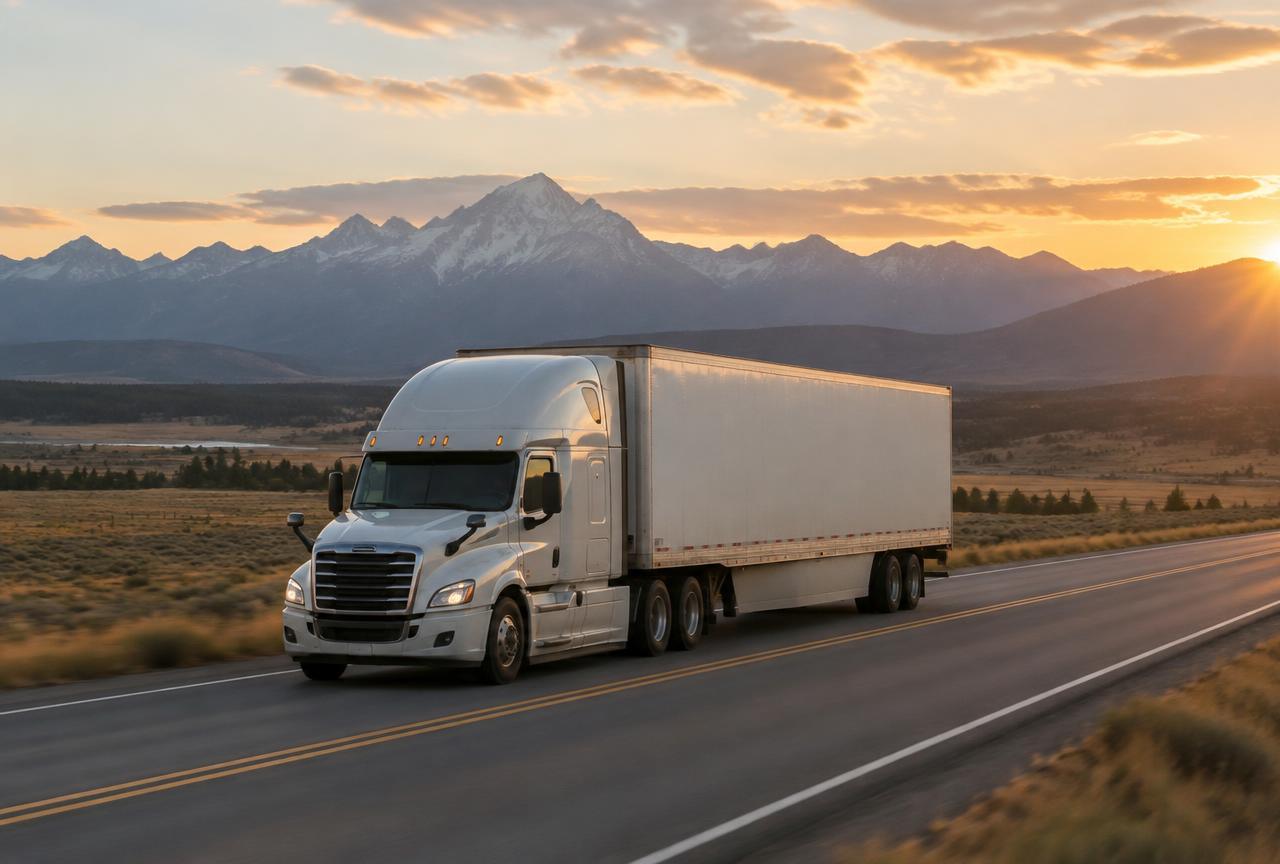
Truckload and less-than-truckload service across North America and Germany, plus first-mile and last-mile trucking for every international shipment we handle.
- Equipment
- Dry van, reefer, flatbed, step deck, box truck
- Load types
- FTL, partial, LTL, expedited team
- Accessorials
- Liftgate, inside delivery, appointment
What's included
- Carrier selection from vetted, insured partners
- Rate confirmation and pickup scheduling
- Bill of lading and freight class guidance
- Check calls and delivery appointment setting
- Proof of delivery collection
- Claims assistance if anything goes wrong
For LTL, accurate freight class and dimensions keep invoices from being re-rated after pickup. We'll help you determine the correct class before booking.
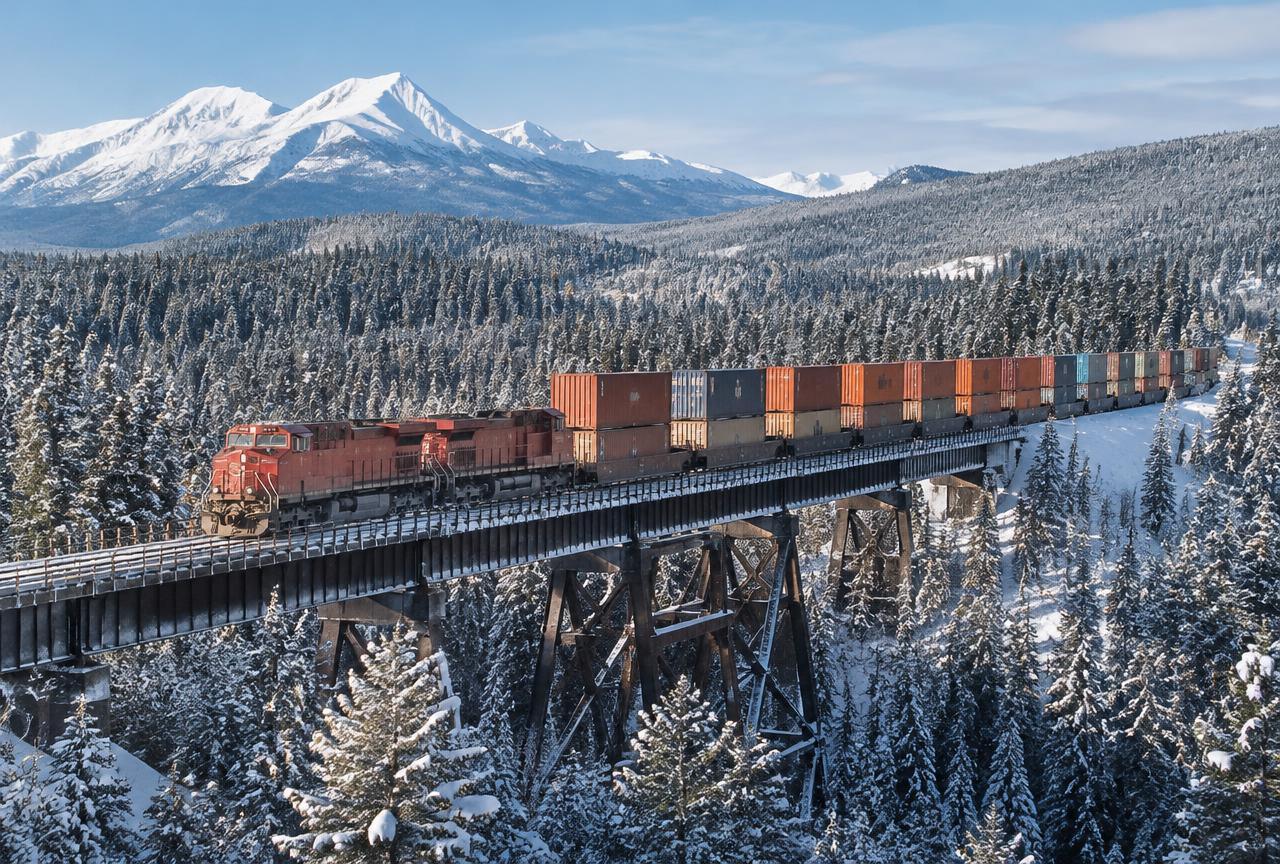
The US–Canada border is one of the busiest freight crossings in the world — and one of the easiest places to lose a day over paperwork. We coordinate trucking, eManifest timing and customs brokers on both sides.
- Directions
- Northbound and southbound
- Main crossings
- Detroit–Windsor, Buffalo–Fort Erie, Blaine–Surrey
- Trade agreement
- USMCA / CUSMA origin support
What we coordinate
- Carrier with cross-border authority and bonding
- ACI eManifest (Canada) and ACE eManifest (US) timing via the carrier
- Customs broker at the destination side
- USMCA / CUSMA certification of origin review
- Pre-arrival document checks (PARS / PAPS)
- Rail intermodal options for long hauls
We are not a customs broker; we work alongside licensed brokers in the US, Germany and Canada. Our role is to make sure the documents they receive are complete and accurate, so your cargo clears without avoidable holds.
- Documents reviewed
- Commercial invoice, packing list, certificates
- US exports
- EEI filing data via AES
- Imports
- US, EU and Canadian entry coordination
Common checks before cargo moves
- HS / Schedule B classification provided by the shipper
- Declared value, currency and Incoterms® rule
- Country of origin marking
- Importer of record and tax IDs (EORI for the EU, Business Number for Canada)
- Partner government agency requirements (e.g. FDA, USDA)
- ISPM 15 compliant wood packaging
See our document checklist for each priority market.

Sometimes cargo needs to pause. We arrange short-term storage, cross-docking and value-added services through warehouse partners near major ports and airports.
- Storage
- Short-term pallet and floor storage
- Handling
- Cross-dock, transload, palletize, label
- Locations
- Partner facilities near main gateways
Typical uses
- Transloading ocean containers into domestic trailers
- Holding inventory until a customer is ready to receive
- Consolidating several suppliers into one export shipment
- Relabeling or repalletizing to retailer requirements
- Amazon and retail DC delivery prep
- Pick-and-pack for small B2B orders
Machinery, production lines, vehicles and anything that doesn't fit inside a standard container needs a plan that starts with measurements and ends with a crane on site.
- Equipment
- Flat rack, open top, RoRo, break-bulk
- Planning
- Lashing, lifting points, route surveys
- Road
- Oversize permits and escorts
How we plan it
- Collect drawings, dimensions, weights and center-of-gravity data.
- Confirm the ocean, road and lifting options at origin and destination.
- Arrange crating or skidding where required.
- Book the vessel, permits and any escort vehicles.
- Coordinate lifting and delivery on site with your team.
By law and under standard carrier terms, a carrier's liability for loss or damage is limited — often far below the value of the goods. All-risk cargo insurance closes that gap.
- Cover
- All-risk, door to door, per shipment
- Basis
- Typically commercial invoice value plus 10%
- Claims
- Guidance and documentation support
We arrange cargo insurance through third-party insurance providers when you request it, and we'll quote it alongside the freight. Policy terms, exclusions and deductibles are set by the insurer and provided to you before you buy. We'll also help you prepare and submit a claim if something goes wrong.
Six details. One accurate price.
The more complete your request, the more accurate the quote — and the fewer surprises on the final invoice.
1. Origin & destination
Full pickup and delivery addresses, or the ports or airports if you only need port-to-port service.
2. Commodity
What the goods are, HS code if you know it, and whether anything is hazardous, temperature-sensitive or high value.
3. Dimensions & weight
Number of pieces, packaging type, dimensions and gross weight per piece.
4. Ready date
When the cargo will be ready, and any must-arrive-by date.
5. Incoterms® rule
Who pays for which part of the journey. Unsure? Our explorer explains each rule.
6. Special handling
Liftgate, appointment, residential delivery, insurance, or anything else we should know.
Tell us what's moving. We'll plan the route.
Send cargo details for a written quote — usually within one business day. Prefer to talk it through? Call the office directly.