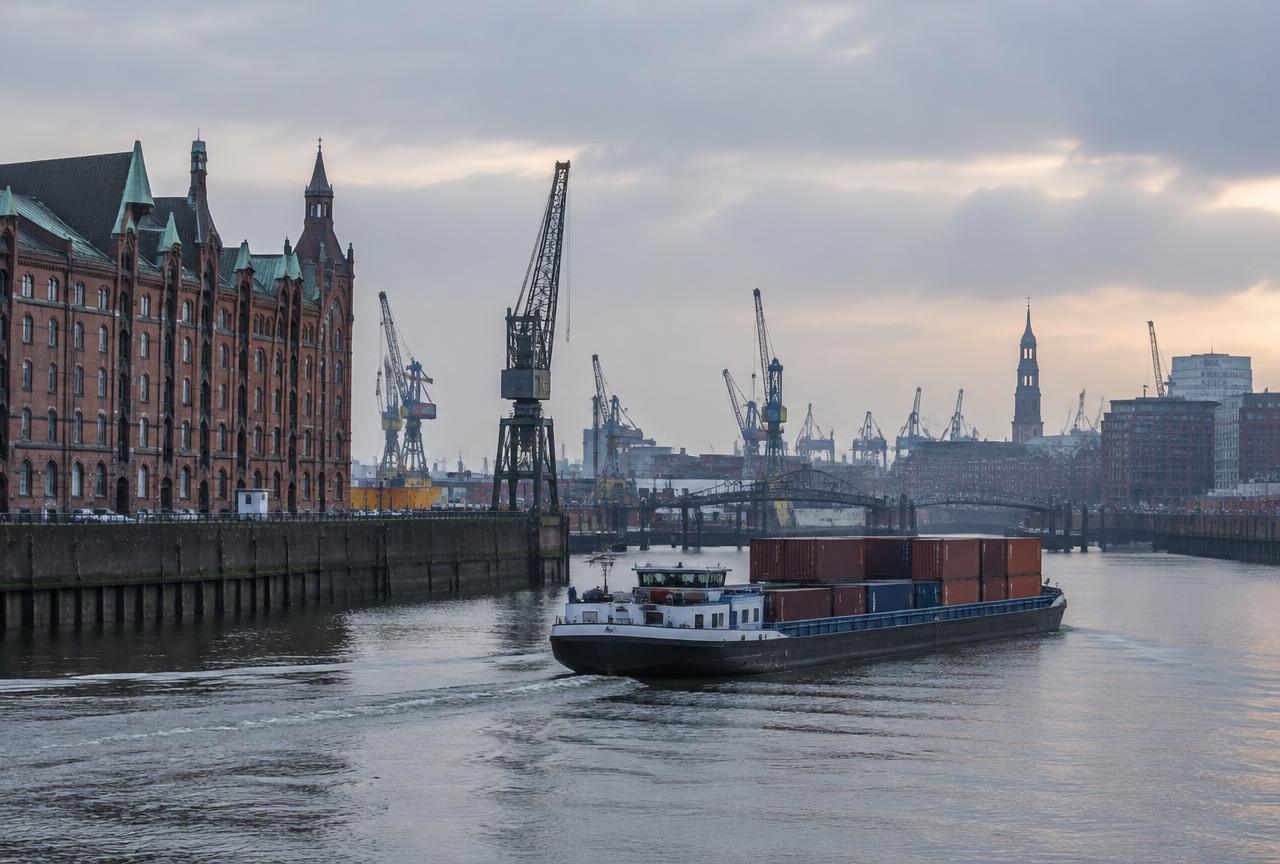
Three priority markets. A worldwide reach.
We plan freight to and from most countries, and we specialize in the lanes linking the United States, Germany and Canada.
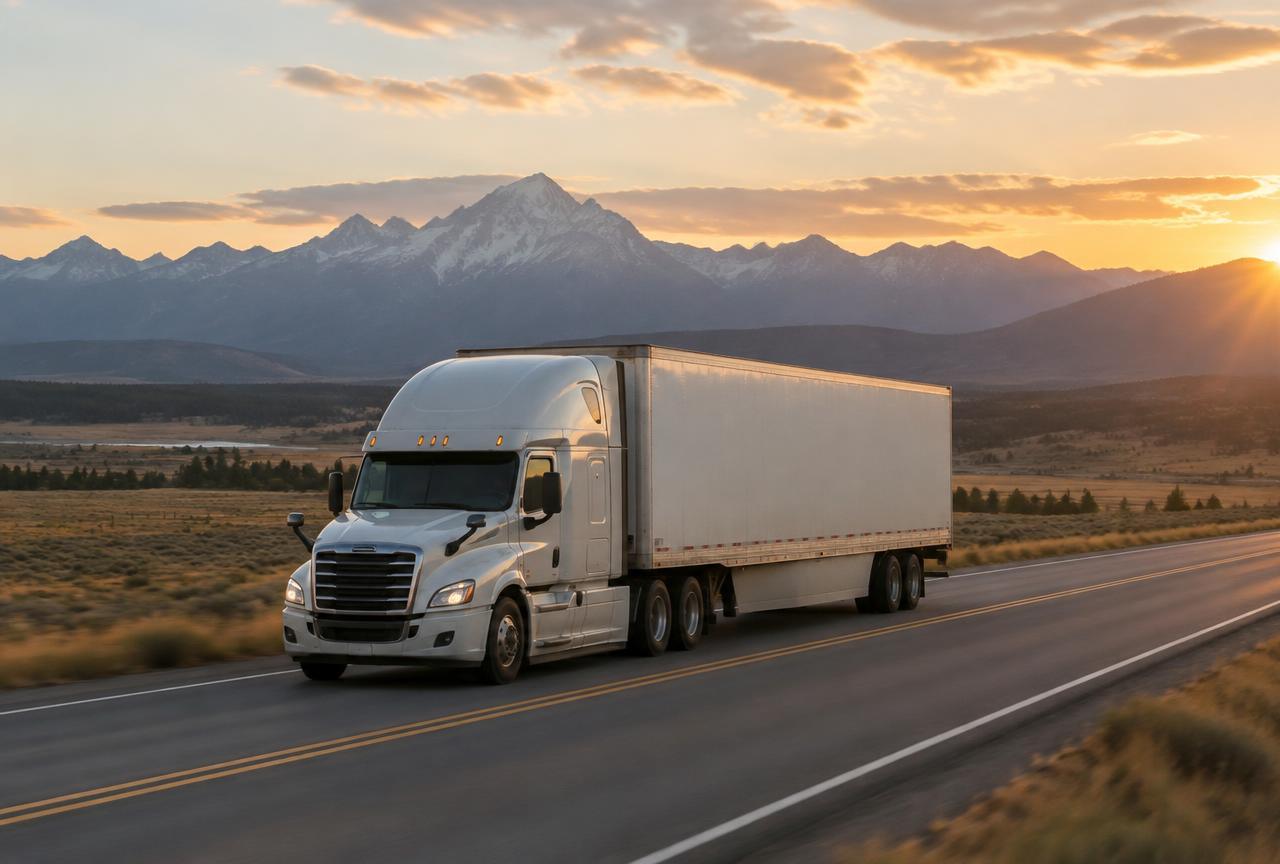
Our office is in Anaheim, a short drive from the ports of Los Angeles and Long Beach — the busiest container port complex in the Western Hemisphere. From here we coordinate imports, exports and domestic trucking nationwide.
- Imports
- ISF 10+2, customs bond, entry via broker
- Exports
- EEI via AES when required
- Domestic
- FTL, LTL, intermodal
Main gateways we use
- Port of Los Angeles & Port of Long Beach
- Port of New York and New Jersey
- Port of Savannah
- Port of Houston
- Los Angeles International (LAX)
- Chicago O'Hare (ORD)
- New York JFK
- Atlanta (ATL)
Good to know
- Ocean imports require an Importer Security Filing at least 24 hours before the cargo is loaded at the foreign port.
- Exports valued over $2,500 per Schedule B number, or requiring a license, generally need an Electronic Export Information (EEI) filing.
- Many food, medical, and consumer products also have FDA, USDA, CPSC or other agency requirements.
Germany is Europe's largest economy and a gateway to the rest of the EU. Ocean freight arrives through the North Sea ports of Hamburg and Bremerhaven, while Frankfurt is one of the world's major air cargo hubs.
- Importer ID
- EORI number required
- Import VAT
- Standard rate 19%, reduced 7%
- Customs
- EU tariff by HS code
Main gateways we use
- Port of Hamburg
- Bremerhaven
- Wilhelmshaven (JadeWeserPort)
- Frankfurt Airport (FRA)
- Munich Airport (MUC)
- Leipzig/Halle (LEJ)
- Rail and road to Bavaria, Baden-Württemberg and NRW
- Onward trucking across the EU
Good to know
- The importer of record in the EU needs an EORI number before goods can be cleared.
- Import VAT (Einfuhrumsatzsteuer) is charged on the customs value plus duty; registered businesses can usually reclaim it.
- Under a DDP agreement the seller becomes responsible for EU import VAT — something to discuss before you agree terms.
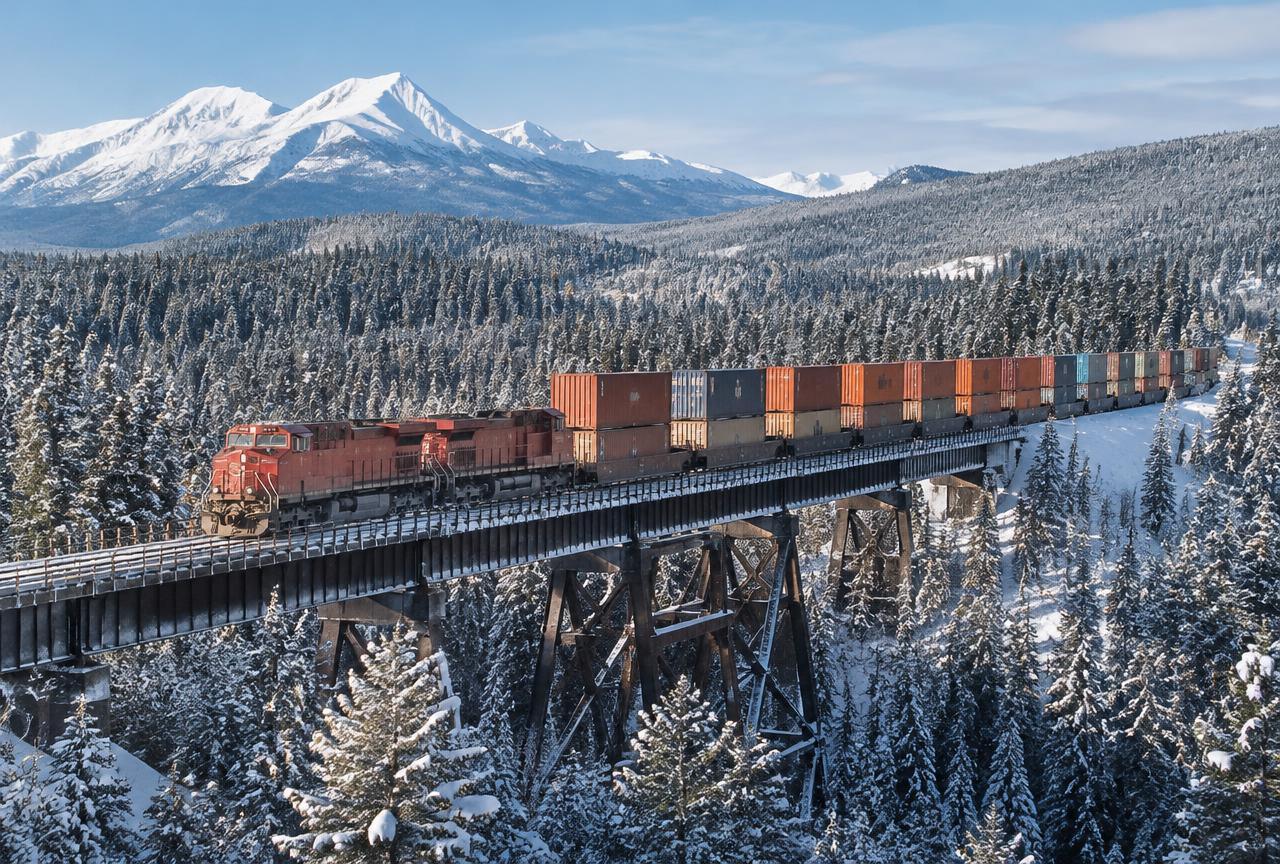
Canada is the United States' largest trading partner, and most of that freight moves by truck and rail. We coordinate cross-border trucking, intermodal rail and air, as well as transatlantic shipping to Germany through Canadian ports.
- Importer ID
- Business Number with RM import account
- Customs system
- CBSA CARM
- Trade agreement
- CUSMA / USMCA
Main gateways we use
- Port of Vancouver
- Port of Montréal
- Port of Halifax
- Toronto Pearson (YYZ)
- Vancouver (YVR)
- Ambassador Bridge, Detroit–Windsor
- Peace Bridge, Buffalo–Fort Erie
- Pacific Highway, Blaine–Surrey
Good to know
- Commercial importers register in the CBSA Assessment and Revenue Management (CARM) portal and need a Business Number with an import-export (RM) program account.
- Highway carriers must transmit an ACI eManifest before arriving at the border.
- Goods that qualify under CUSMA may enter duty-free with proper certification of origin.
Beyond our three priority markets.
Through ocean carriers, airlines and overseas agents, we coordinate freight across every major trade region.
Rest of Europe
Netherlands, Belgium, France, Italy, Spain, Poland, Nordics, UK and more — often via Hamburg or Rotterdam.
Asia-Pacific
China, Vietnam, South Korea, Japan, India, Taiwan, Australia and New Zealand.
Mexico & Latin America
Cross-border Mexico trucking and ocean service to Central and South America.
Middle East & Africa
UAE, Saudi Arabia, Türkiye, Egypt, South Africa and other key markets.
Tell us what's moving. We'll plan the route.
Send cargo details for a written quote — usually within one business day. Prefer to talk it through? Call the office directly.